

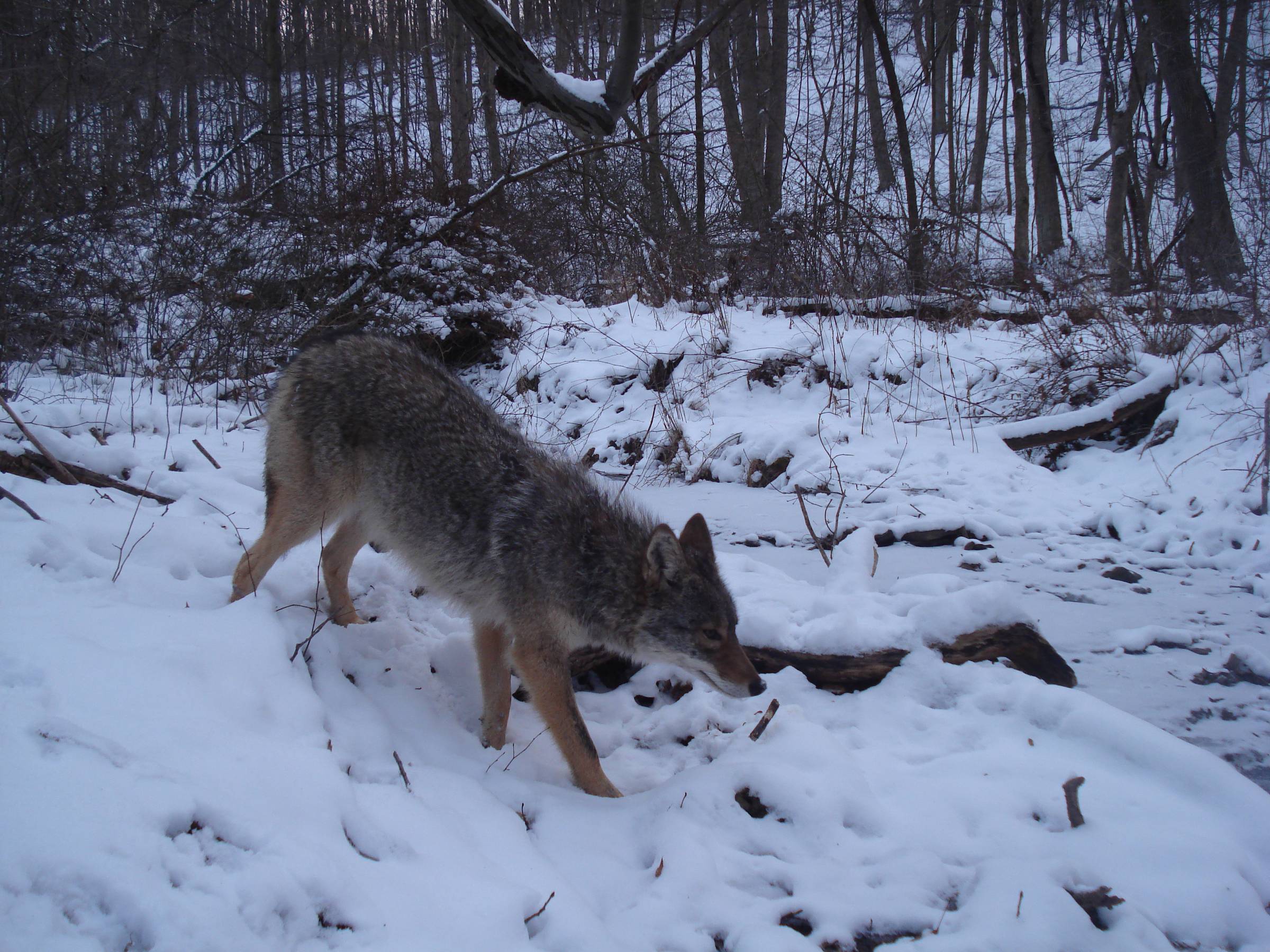
Why Coyotes Are in the Spotlight Right NowIf it feels like coyotes are suddenly everywhere, you’re not imagining it. In recent weeks, social media posts, neighborhood forums, and local conversations have been buzzing with reports of coyotes spotted in backyards, along tree lines, and moving through residential streets. Along with those sightings often comes concern, are coyotes becoming more aggressive, and should we be worried? Late winter is a key reason coyotes are more visible right now. This time of year marks their breeding season, a period when normal patterns shift. Coyotes begin traveling more frequently as they seek mates and establish or reinforce territory. They also vocalize more, using howls, yips, and barks to communicate with one another and warn off rivals. To human ears, that increase in sound and movement can feel sudden and unsettling, even though it’s a natural and predictable part of their annual cycle. During breeding season, coyotes can also appear bolder as they defend territory more actively, especially around denning areas. This is often when backyard encounters happen, not because coyotes are “hunting people,” but because our neighborhoods overlap with the spaces they’re using more intensely right now. Small pets, particularly cats and small dogs, can unfortunately resemble natural prey, which is why this season calls for extra awareness when pets are outside. The key thing to remember is that increased visibility doesn’t mean increased danger. Coyotes aren’t invading new territory, they’ve been here, mostly unseen, for years. What changes in late winter is their behavior, not their nature. Understanding what’s happening helps replace fear with perspective. Awareness, not panic, is the best tool for living alongside wildlife that’s already part of our landscape. Breeding Season Behavior: What Actually ChangesCoyote breeding season typically runs from January through March, and during this window their behavior shifts in ways that make them more noticeable to people. These changes aren’t sudden or unpredictable, they’re tied directly to biology. Coyotes are moving with purpose right now, driven by mating, territory establishment, and preparation for raising pups in the weeks ahead. Male coyotes, in particular, may appear bolder during breeding season. They often travel longer distances in search of mates and are more willing to move through open spaces, including suburban yards and park edges. This doesn’t mean they’re becoming aggressive toward people, it means they’re operating with heightened focus. That single-minded behavior can sometimes look like fearlessness, especially when a coyote doesn’t immediately retreat at the sight of a human. Territorial defense also ramps up this time of year. Breeding pairs begin identifying and protecting areas they intend to use for denning, which can lead to increased encounters with other animals, and occasionally with people or pets that wander too close. These interactions are about boundary-setting, not predation or hostility. Understanding that distinction helps explain why confrontations, while still rare, are more likely during this season than at other times of year. You may also notice more coyote activity around dawn and dusk, when they are naturally most active. Short winter days compress their movement into hours when people are more likely to be outside, walking dogs, heading to work, or letting pets out. The result is a sense that coyotes are “showing up more,” when in reality, their schedules are simply overlapping with ours. The most important takeaway is this: coyotes are not randomly becoming aggressive. They are responding to seasonal pressures that have guided their behavior for thousands of years. When we understand what’s driving these changes, we’re better equipped to coexist safely, observing, respecting boundaries, and adjusting our own habits during a time when wildlife is simply doing what nature designed it to do.
Meet the Eastern Coyote: Not Your Western CousinThe coyotes seen across Pennsylvania and much of the Northeast aren’t quite the same as the ones often pictured roaming western deserts. Known as the eastern coyote, this population is noticeably larger and more robust than its western counterpart. While western coyotes typically weigh between 20 and 35 pounds, eastern coyotes often tip the scales at 40 to 50 pounds, or more, giving them longer legs, broader chests, and a presence that can surprise people encountering one up close.
This difference in size and strength didn’t happen by accident. As coyotes expanded eastward during the past century, they encountered very different landscapes, and different animals. Along the way, they interbred with wolves, particularly eastern and Great Lakes wolves, and to a lesser extent with domestic dogs. The result wasn’t a new species, but a highly adaptable hybrid population shaped by forests instead of open plains. This mix gave eastern coyotes the physical size to handle larger prey and the intelligence to navigate more complex environments. That adaptability is what makes the eastern coyote such a successful survivor. They thrive in dense woods, farmland, suburbs, and even city edges—anywhere food and cover exist. They learn quickly, adjust their behavior based on human activity, and take advantage of changing landscapes in ways few predators can. Coyotes don’t need wilderness in the traditional sense; they need opportunity. Understanding the eastern coyote helps explain why they’re such a visible and lasting presence in our region. They aren’t just passing through, they’ve settled in, adapted, and learned how to live alongside us. Smart, resourceful, and resilient, the eastern coyote is a reminder that wildlife doesn’t disappear when landscapes change, it evolves.
Eastern Coyotes on the RiseAcross Pennsylvania and much of the Northeast, eastern coyote populations have steadily expanded over the past several decades. Today, coyotes are found in every county in Pennsylvania, from rural forests to suburban neighborhoods and even the edges of cities. Their success isn’t the result of a sudden population boom, but of long-term adaptation, learning how to live in landscapes shaped by people, roads, and fragmented green spaces. What makes coyotes especially effective neighbors is how rarely they’re seen. They are primarily nocturnal, highly cautious, and skilled at moving through cover. A coyote may pass through a backyard or wooded corridor regularly without ever being noticed. For many residents, the first sighting feels like a surprise, but in reality, that animal may have been part of the local landscape for years. Local reporting has highlighted this pattern again and again: coyotes are not newcomers. In communities across Western Pennsylvania, residents have lived alongside coyotes for decades, often without realizing it. What has changed is awareness. Trail cameras, doorbell cameras, and community wildlife reporting have made the unseen visible, turning fleeting nighttime movements into clear evidence of a predator that was always there. This is where PixCams fits squarely into the story. Cameras don’t introduce wildlife, they reveal it. By quietly documenting what moves through our backyards, woodlots, and shared spaces, cameras replace speculation with understanding. The rise in coyote sightings isn’t about invasion or takeover, it’s about learning to see the wild neighbors who have been sharing our landscape all along. When Cameras Tell the Story: Coyotes & the Fox DenLast year’s live-streamed red fox den offered viewers an intimate look into a world that usually stays hidden. What began as a quiet window into fox family life quickly became something more complex when coyotes entered the picture. These were unscripted, sometimes tense moments that reminded everyone watching that nature doesn’t follow a storyline, and that even familiar landscapes hold real ecological dynamics. The interactions between coyotes and the fox den were unexpected for many viewers, but they reflected a well-documented reality in the wild. Coyotes and foxes compete for the same space and resources, and coyotes, being larger and more dominant, can displace foxes from established dens. Seeing this play out in real time was eye-opening. It wasn’t about villains or victims; it was about survival, territory, and the constant negotiation that defines life in the wild. Those moments also highlighted the true value of wildlife cameras. PixCams doesn’t stage scenes or filter outcomes, we observe. Cameras don’t soften the story or make it comfortable; they make it honest. By allowing people to witness these interactions as they happen, cameras turn abstract concepts like competition and habitat pressure into something tangible and understandable. In the end, the fox den livestream became more than a single-species story. It became a lesson in coexistence, adaptation, and the reality that nature is always in motion. Coyotes weren’t intruding on a peaceful scene, they were doing what coyotes do. And through the lens of a camera, viewers were given the rare opportunity to see that truth unfold, exactly as it was. A Rare Moment: The Black CoyoteEvery so often, a camera captures something that stops even seasoned wildlife watchers in their tracks. During one of our live streams, viewers were treated to such a moment when a black coyote, a rare melanistic individual, moved through the frame. Against the familiar backdrop of woods and snow, its dark coat was striking, a reminder that even animals we think we know well can still surprise us. Black coyotes are uncommon, especially in the Northeast. Their dark coloration comes from melanism, a genetic trait that increases the amount of dark pigment in an animal’s fur. This trait is more often associated with wolves, and its presence in coyotes hints at the complex genetic history of eastern coyote populations. That single glimpse carried the echoes of generations of adaptation and interbreeding that shaped the animals we see today. Far from being a disadvantage, melanism can sometimes offer subtle benefits, such as improved camouflage in dense forests or shaded environments. Whether helpful or neutral, the trait underscores how flexible and resilient coyotes are as a species. They aren’t locked into one look or one lifestyle, they evolve, adjust, and persist. Moments like this are a powerful reminder of why watching matters. Cameras don’t just confirm what we expect to see; they reveal what we don’t. Even in familiar landscapes, even with well-known animals, there are still stories unfolding quietly, waiting for the right moment, and the right lens, to be seen.
Living Alongside Coyotes: What Viewers Should KnowLiving in the same landscape as coyotes doesn’t require fear, it requires awareness. Coyotes have adapted well to human-altered environments, and simple adjustments can go a long way toward reducing unwanted encounters. One of the most important steps is supervising pets outdoors, especially from dusk to dawn when coyotes are most active. Keeping dogs on a leash and bringing cats indoors at night helps eliminate situations that can put pets at risk. Reducing attractants around your home is another key factor. Unsecured trash, fallen bird seed, pet food left outside, and even compost can draw small animals that coyotes prey on. By removing these attractants, you’re not just discouraging coyotes, you’re minimizing the entire food chain that can lead wildlife into close contact with people. It’s also important not to feed wildlife, either intentionally or unintentionally. Coyotes that associate humans with food can lose their natural wariness, which increases the likelihood of uncomfortable encounters. Feeding may feel harmless, but it disrupts natural behavior and can create long-term problems for both people and animals. Above all, coyotes should be appreciated from a distance. Observing through a camera lens, from a window, or across a field allows us to learn without interfering. Coexistence doesn’t mean ignoring wildlife, it means respecting boundaries. When we understand how coyotes live and make small, thoughtful choices, we can share space safely, calmly, and responsibly. Watching With UnderstandingCoyotes aren’t invaders arriving at our doorstep, they’re neighbors who have learned to live alongside us, often quietly and out of sight. Their increased visibility during winter and breeding season doesn’t signal a problem to be solved, but a story to be understood. When we pause to learn why wildlife behaves the way it does, fear gives way to perspective. This is where cameras change the conversation. A camera doesn’t exaggerate or speculate, it simply shows what’s there. By revealing the rhythms of wildlife life by life, moment by moment, cameras help replace uncertainty with understanding. They remind us that what feels sudden or alarming often fits into a much larger, older pattern shaped by seasons, survival, and adaptation. Every season tells a different story, and winter reveals more than most. Bare trees, fresh snow, and longer nights make movement easier to see, offering rare glimpses into the lives of animals that usually stay hidden. These moments aren’t just interesting, they’re educational, grounding us in the reality that wild lives continue all around us, even when we aren’t watching. So we invite you to keep watching. Keep learning. Whether through a live stream, a trail cam, or a quiet moment at your own window, nature is always closer than we think, and there’s always something new waiting to be seen.
PIXCAMS, INC. 2610 HAYMAKER FARM RD, EXPORT, PA 15632  Email: [email protected] Web: https://pixcams.com/ |