A Familiar Winter Scene
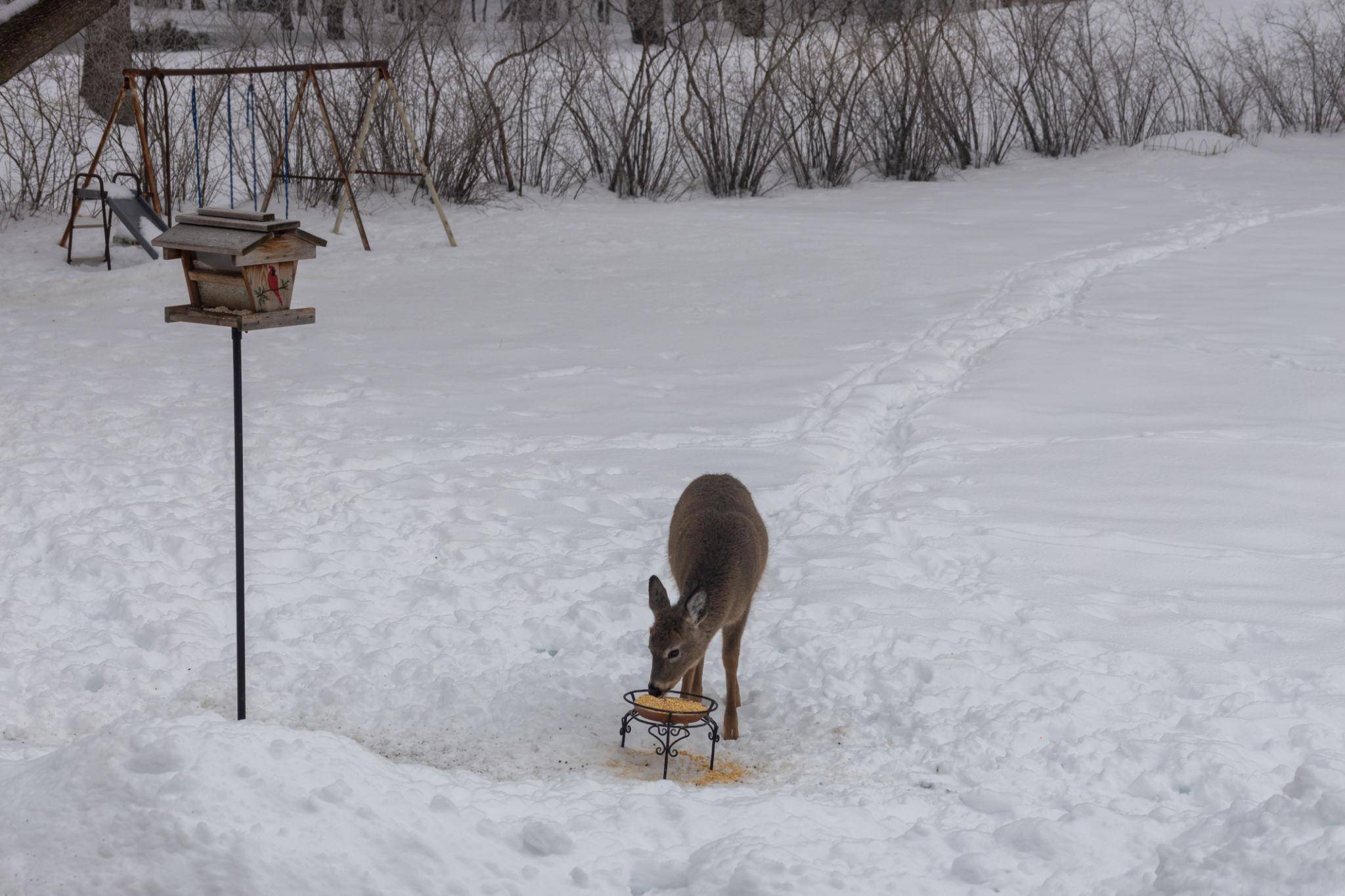
Snow on the ground. Bare trees standing quiet against a gray sky. A backyard that feels still, until a deer steps into view. It’s a moment many of us recognize. Whether you’re watching through a kitchen window or spotting tracks along a wooded trail, seeing deer in winter often stirs something in us. They look fragile against the cold. The landscape feels empty. And instinctively, we want to help.
That feeling comes from a good place. Watching white-tailed deer move through deep snow or paw at frozen ground can make winter seem especially harsh. It’s natural to wonder if they’re finding enough to eat, and whether leaving out food might make things easier for them. But that’s where an important question quietly enters the scene: are we truly helping… or could we be accidentally hurting?
Here’s what many people don’t realize: deer are built for winter. As the seasons change, so do their bodies. Their metabolism slows, their movement becomes more deliberate, and their digestive system adapts to a tougher, more fibrous diet made up of twigs, buds, bark, and leftover mast. While well-meaning feeding can feel like an act of kindness, sudden or inappropriate foods can disrupt this delicate balance. Sometimes, the best care begins with understanding, and learning when to step in, and when to simply watch.
How Deer Survive Winter
Winter looks unforgiving, but White-tailed deer are remarkably well adapted to it. As fall fades into winter, their bodies shift into conservation mode. Metabolism slows, movement becomes more deliberate, and energy is carefully rationed. What may look like hardship is often a carefully balanced strategy, one shaped by thousands of years of survival in cold climates.
Their diet changes too. Gone are the lush greens of spring and summer. In winter, deer rely on what’s available: woody twigs, buds, bark, evergreen browse, and leftover acorns buried beneath the snow. Their digestive system adjusts to handle these fibrous, low-nutrient foods slowly and efficiently. This seasonal shift is critical, and it’s also where well-intended feeding can cause problems if it doesn’t match what their bodies are prepared to process.
Behavior plays just as important a role as diet. Deer move less in winter, often bedding down in sheltered areas like dense evergreens or south-facing slopes where the sun offers a bit of warmth. They conserve energy by sticking close to familiar routes and food sources, avoiding unnecessary travel through deep snow. From the outside, it can look like they’re struggling, but in reality, they’re doing exactly what winter requires: slowing down, adapting, and enduring until the season turns again.
Foods That Help (If You Choose to Supplement Thoughtfully)
First, it’s worth saying: most of the time, White-tailed deer don’t need our help. They’re already adapted to winter, and in many areas the best support we can offer is simply leaving natural habitat intact. But during prolonged deep snow or extreme cold, some people choose to supplement what deer can already find on their property. If you do, the key is to stay as close as possible to their natural winter diet.
That means thinking “browse,” not buffet. Fresh-cut branches and twigs from trees and shrubs like maple, willow, dogwood, apple, or sumac closely mimic what deer naturally eat this time of year. Acorns or other nuts already present on your land are also part of their seasonal food cycle. Small amounts of apples or root vegetables can be offered occasionally, but these should be treated as light supplements, not main meals.
Just as important as what you offer is how you offer it. Keep portions modest and spread food out to avoid crowding. Sudden large piles can stress deer and increase the risk of disease. And if you begin supplemental feeding during extended snow cover, try to be consistent until conditions improve, deer may start incorporating that location into their daily routine.
A simple way to think about it is this: the closer your offerings resemble what deer already eat in winter, the safer it is for their bodies. Thoughtful feeding isn’t about changing their behavior, it’s about gently supporting what they’re already doing naturally.
Foods That Hurt (Even When Offered with Kind Intentions)
When winter feels especially cold or quiet, it’s natural to want to offer whatever food we have on hand. But for White-tailed deer, some of the most common “helpful” foods can actually be dangerous, especially when introduced suddenly.
Deer enter winter with digestive systems tuned for slow, fibrous meals like twigs, bark, buds, and leftover mast. Rich or unfamiliar foods can disrupt this balance. Items like bread, crackers, cereal, processed human food, dog food, livestock feed, corn, or alfalfa may seem filling, but they don’t match what deer are built to digest this time of year. In large amounts or without gradual adaptation, these foods can cause serious digestive distress, sometimes leaving deer unable to properly process even their natural forage afterward.
Large piles of food create another problem. They encourage deer to crowd together, increasing stress and the risk of disease transmission. They can also change natural movement patterns, pulling deer into areas they wouldn’t normally frequent, closer to roads, homes, and people. What begins as a small act of kindness can unintentionally create new dangers.
One of the hardest truths is this: a deer can appear “helped” while quietly being harmed. A full stomach doesn’t always mean a healthy animal. That’s why wildlife professionals consistently recommend avoiding artificial feeding altogether, and if people do choose to supplement, keeping it minimal, natural, and thoughtfully spaced.
Sometimes, the most caring choice is restraint. Letting deer follow their seasonal rhythms, conserving energy, browsing naturally, and moving through winter at their own pace, is often safer than offering foods their bodies simply aren’t prepared to handle.
Sometimes the Best Help Isn’t Food
It may surprise some people, but often the most meaningful way to support White-tailed deer in winter has nothing to do with feeding at all. Deer are already doing the careful work of conserving energy, moving less, bedding down in sheltered areas, and following familiar paths between cover and food. What they need most is space to carry out these quiet routines without disruption.
Simple habitat choices can make a real difference. Leaving brush piles or fallen branches provides shelter from wind and snow. Protecting native shrubs and trees preserves natural browse. Dense evergreens offer critical cover during cold snaps. Even small actions, like avoiding unnecessary disturbance or giving deer extra room when you see them resting, help reduce stress at a time when every bit of energy matters.
There’s also something powerful about choosing to observe rather than intervene. Watching how deer move differently in winter, where they bed down, and what they browse teaches us far more than any pile of food ever could. These moments remind us that wildlife doesn’t need to be managed minute by minute, it needs patience, respect, and room to follow seasonal rhythms shaped over generations.
Sometimes helping means stepping back. It means appreciating deer from a distance, protecting the landscapes they rely on, and trusting their ability to navigate winter on their own terms. In the quiet of the season, simply watching becomes an act of care.
Closing: Watching with Care
Winter has a way of slowing everything down, including us. As we watch White-tailed deer move quietly through snowy fields or pause beneath bare branches, we’re reminded that survival doesn’t always look dramatic. Sometimes it looks like stillness. Sometimes it looks like patience. Deer meet winter not by rushing through it, but by adapting, conserving energy, following familiar paths, and relying on instincts shaped over countless seasons.
When we understand that, our role becomes clearer too. Helping wildlife isn’t always about stepping in. Often, it’s about stepping back. It’s about protecting habitat, giving animals space, and choosing observation over intervention. It’s about recognizing that well-meaning actions can have unintended consequences, and that thoughtful restraint can be its own kind of care.
So this winter, take a moment to simply watch. Notice where deer bed down. Pay attention to what they browse. See how their behavior changes with snow depth and daylight. Share what you observe. These small moments of awareness connect us more deeply to the natural world, and remind us that coexistence begins with understanding.
Because sometimes the greatest kindness isn’t what we offer, it’s how carefully we choose to look.

 Byadmin