Spring Isn’t Just for Birds
When people think about spring wildlife activity in Pennsylvania, birds usually get most of the attention. As the days grow longer and temperatures rise, songbirds begin migrating north, filling forests and backyards with new movement and sound.
But there is another sasonal return happening quietly after sunset.
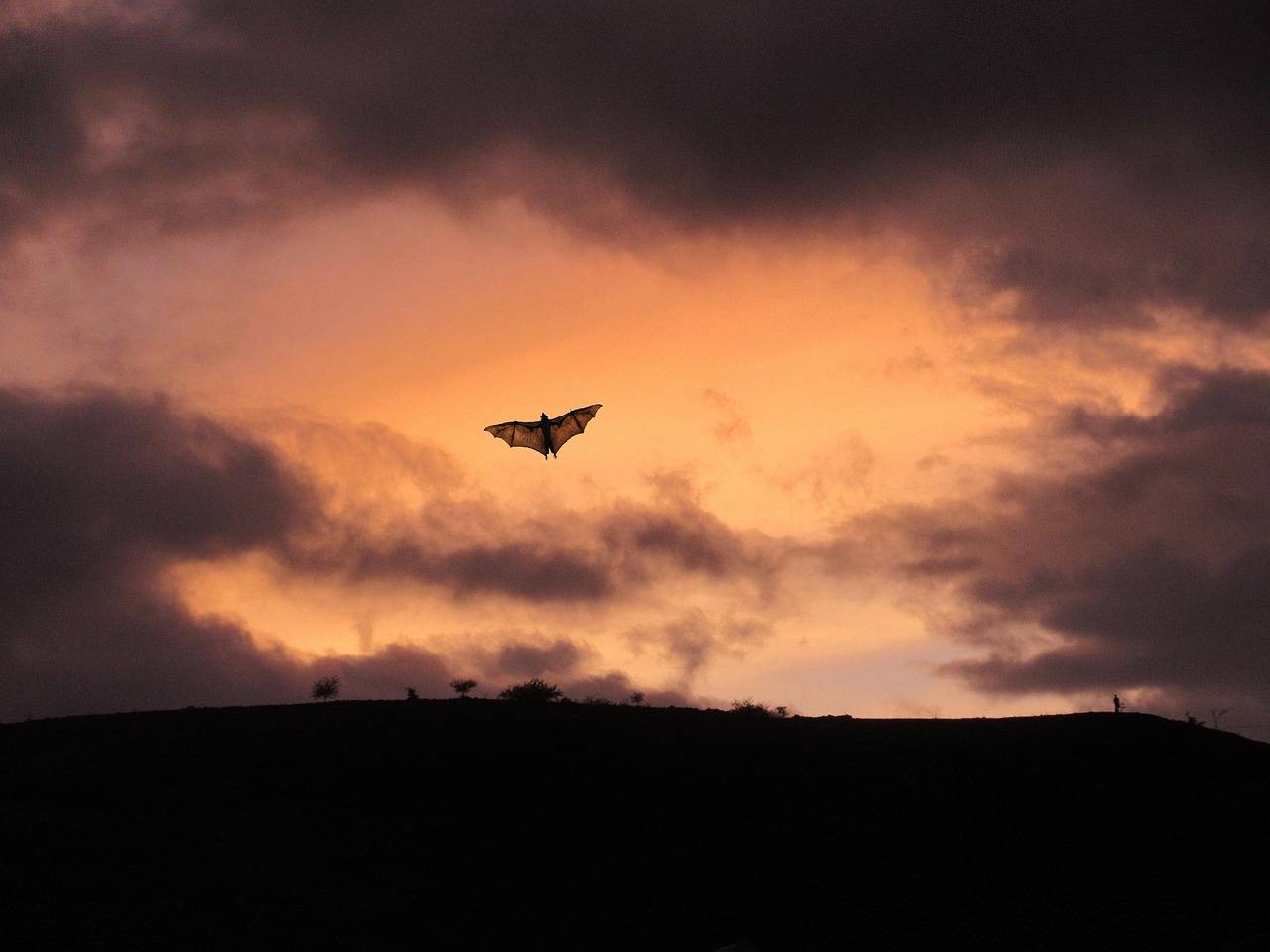
As spring arrives, bats begin appearing in Pennsylvania skies again. Some species are returning from long migrations, while others are waking from months of winter hibernation deep inside caves and abandoned mines. Just like birds, bats follow seasonal patterns tied closely to temperature, food availability, and breeding cycles.
For those who spend time outdoors in the evening, the first sight of bats darting across the twilight sky is often one of the earliest signs that the warm season is truly beginning.
Pennsylvania’s Bats: A Diverse Nighttime Community
Pennsylvania is home to nine species of bats, each playing an important role in controlling insect populations and maintaining healthy ecosystems.
Some of the most commonly encountered species include the big brown bat, little brown bat, eastern red bat, and silver-haired bat. Although they may look similar when flying at dusk, their seasonal behaviors can be very different.
Some bats remain in Pennsylvania year-round, surviving winter through hibernation in caves and other sheltered places. Others migrate hundreds or even thousands of miles to spend winter in warmer regions before returning north in the spring.
This combination of hibernation and migration makes bat activity in spring particularly interesting, as multiple species begin appearing again around the same time.
The Bats That Hibernate Here
Several Pennsylvania bat species spend the winter locally by entering a state called hibernation, known scientifically as torpor. During this time their body temperature drops dramatically, their breathing slows, and their metabolism decreases enough to allow them to survive for months without eating.
These bats typically spend the winter in caves, abandoned mines, rock crevices, and sometimes buildings, where temperatures remain stable and above freezing.
Species that commonly hibernate in Pennsylvania include:
- Big Brown Bats
- Little Brown Bats
- Indiana Bats
- Northern Long-eared Bats
As temperatures warm in spring and insects begin to emerge again, these bats gradually wake from hibernation and disperse into forests, fields, and neighborhoods to begin feeding.
For many observers, the first warm evenings of April and May mark the return of these bats to the night sky.
The Bats That Migrate Like Birds
Not all bats stay in Pennsylvania through the winter.
Several species actually migrate south in the fall, much like birds do, traveling to warmer regions where insects remain available. When spring arrives, they begin moving north again to their summer breeding territories.
Migratory species in Pennsylvania include:
- Eastern Red Bat
- Hoary Bat
- Silver-haired Bat
- Seminole Bat (occasionally)
These bats often spend winter in the southeastern United States or other milder climates before returning north as temperatures rise. Unlike cave-hibernating bats, many migratory species spend their summers roosting in trees, blending in with leaves and bark during the day.
Their return adds another layer of activity to Pennsylvania’s nighttime wildlife each spring.
Spring Means Breeding Season
As spring temperatures climb and insects become more abundant, bats enter one of the most important phases of their yearly cycle: breeding and raising the next generation.
Across Pennsylvania, female bats begin gathering in groups known as maternity colonies. These colonies can range from a few dozen bats to several hundred individuals and serve as communal nurseries where females give birth and raise their pups together. The shared colony provides warmth, protection, and a social environment that helps the young develop quickly.
These maternity colonies can form in a variety of locations. In natural settings, females often choose tree cavities or spaces under loose bark. In more developed areas, they frequently use barns, attics, bridges, and other quiet structures that offer stable temperatures and protection from predators. The goal is always the same: a safe place where newborn bats can grow strong enough to eventually take flight.

Interestingly, while females gather in these large nursery groups, male bats typically spend the summer alone or in small bachelor groups. During the maternity season, males usually roost separately in trees or small structures nearby, leaving the maternity colonies to focus entirely on raising young.
Most Pennsylvania bat species give birth to a single pup each year, usually in late May or June. When the pups are born, they are tiny, blind, and completely dependent on their mothers. Within just a few weeks, however, they grow rapidly. By mid-summer, the young bats begin learning to fly, practicing short flights around the roost before joining the adults on nighttime hunting trips.
By late summer, the colony begins to shift again. As the young bats become independent, the maternity colonies gradually break apart. Males and females regroup, and the bats begin preparing for the next stage of their annual cycle—migration for some species and the search for winter hibernation sites for others.
Last year, viewers had a rare opportunity to watch this process unfold in real time thanks to work done by PixCams. At the Schwarz barn in Hempfield, PixCams partnered with the Westmoreland Land Trust to install a live-streaming bat cam inside an active maternity colony. The camera offered an incredible look into the hidden world of bats—showing hundreds of bats clustered together during the day and the dramatic nightly exodus as they left the barn to hunt insects.
As reported by the Tribune-Review in their article about the project, the camera revealed behaviors most people rarely get to see, offering a window into the secret life of a bat colony. (You can read more about the project here: TribLive coverage of the Schwarz barn bat cam.)
Now, as spring returns, we’re once again watching for signs that the colony is coming back. The first bats returning to the barn mark the beginning of another maternity season—and another chance to observe one of Pennsylvania’s most fascinating nocturnal communities as it rebuilds for the summer.
For those following along, it’s a reminder that while much of spring wildlife activity happens during the day, an entirely different story unfolds after dark.
Listening for the First Signs of Bats
While spotting bats flying at dusk is exciting, one of the most reliable ways to detect their return in spring is by listening for them. Bats navigate and hunt using echolocation—high-frequency sounds that bounce off objects and insects in the air. These calls are far above the range of human hearing, but with the right technology, they can be detected and recorded.
That’s where acoustic monitoring comes in.
PixCams has installed bat listening stations that use specialized ultrasonic microphones and software to capture and identify bat calls as they occur. These systems allow researchers and wildlife enthusiasts to monitor bat activity without ever seeing the animals themselves. Each species produces slightly different echolocation patterns, and the monitoring software can analyze those patterns to determine which bats are flying overhead.
What makes this especially exciting in the spring is that these systems allow us to track the return of bats in near real-time. Even before people begin noticing bats in the evening sky, the listening stations may detect the first signs of activity as bats emerge from hibernation or return from migration.
At PixCams, our acoustic monitoring stations run night after night, automatically recording and analyzing bat calls as they occur. By reviewing the data and nightly detections, we can watch as activity gradually increases through the spring and early summer—an early signal that the nighttime ecosystem is waking back up.
For those interested in learning more about how these systems work and how they help us monitor bats across the region, you can explore the PixCams bat listening station project here:
https://pixcams.com/bat-listening-stations/

Together with projects like the Schwarz barn bat cam, these listening stations give us two different ways to observe bats—seeing them in their roosts and hearing them as they hunt across the night sky. Both help reveal the seasonal rhythms of wildlife that most people never realize are happening right outside their homes after dark.
Nature’s Nighttime Insect Control
One reason bats are so important to our ecosystems is their appetite for insects.
A single bat can consume thousands of insects in one night, including mosquitoes, moths, beetles, and agricultural pests. In fact, bats provide billions of dollars in natural pest control for agriculture across North America.
Their return each spring helps restore a natural balance in nighttime ecosystems.
For people watching wildlife around their homes, the sudden appearance of bats at dusk often coincides with the first major hatch of spring insects.
Watching the Night Sky
Unlike birds, bats rarely land where we can easily observe them. Most sightings happen during the brief window at dusk, when the sky is still bright enough to see their quick, zig-zag flight patterns.
Look for bats:
- Flying over ponds and streams
- Hunting around outdoor lights where insects gather
- Passing over fields or tree lines just after sunset
Their movements may seem chaotic, but each twist and turn is guided by echolocation, a remarkable ability that allows bats to navigate and capture insects using sound.
A Sign That Spring Has Fully Arrived
The return of bats is one of spring’s quieter seasonal events, often unnoticed by those who head indoors after sunset.
Yet for those who pause and watch the evening sky, their sudden appearance is unmistakable. Just like migrating birds filling the daytime air, bats reclaim the night as warmer weather returns to Pennsylvania.
Their arrival reminds us that spring doesn’t only unfold in daylight.
Some of nature’s most fascinating migrations happen after dark.

 ByBill