A Mysterious Visitor
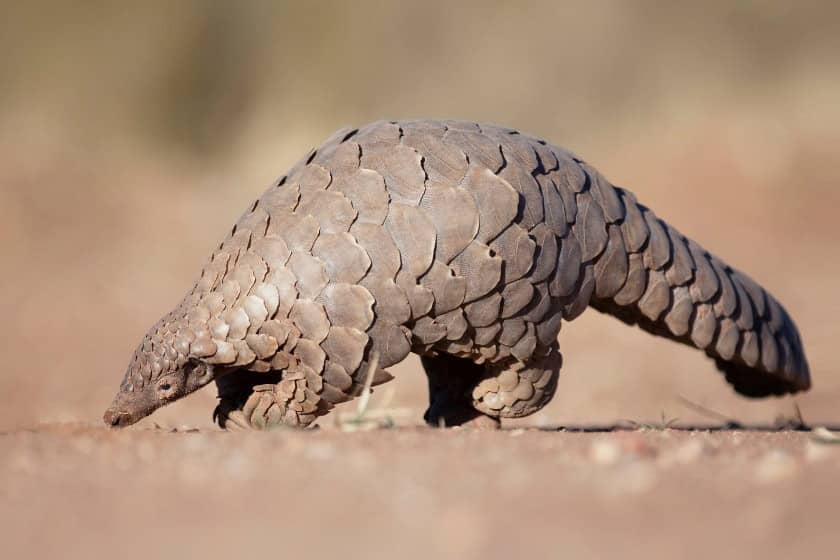
Every so often, one of our cameras captures something truly extraordinary. This week, one of the remote cameras on our Majete Watch network recorded a species that few visitors to Africa ever have the privilege of seeing, a pangolin.
The sighting occurred during the darkness of night as the animal quietly moved through the frame, unaware that it was being watched by wildlife enthusiasts from around the world. While lions, elephants, leopards, and giraffes often steal the spotlight, the appearance of a pangolin may be one of the most exciting wildlife moments we’ve captured since launching the Majete camera project.
For many people, this may be their first time seeing a pangolin. These remarkable mammals are among the most elusive animals in Africa, spending much of their lives alone and active primarily after sunset. Because of their secretive behavior, even experienced safari guides can go years without encountering one in the wild.
Meet the Pangolin: Nature’s Living Armor
Pangolins are unlike any other mammal on Earth. Covered in protective keratin scales, the same material found in our fingernails, they are often referred to as “scaly anteaters.” When threatened, a pangolin curls into a tight ball, using its overlapping scales as armor against predators.
Despite their armored appearance, pangolins are gentle creatures. They feed almost exclusively on ants and termites, using their powerful claws to break open nests and their extraordinarily long, sticky tongues to capture insects hidden deep inside. A single pangolin can consume thousands of insects in a single night, providing a valuable ecological service by helping regulate insect populations.
Unlike many African mammals, pangolins are rarely seen during daylight hours. Their nocturnal lifestyle and low population densities make every sighting special, which is why our recent camera capture generated so much excitement among the Majete conservation team.
The World’s Most Trafficked Mammal
Unfortunately, pangolins carry a heartbreaking distinction. They are widely recognized as the most trafficked mammals in the world. Across Africa and Asia, they have been heavily targeted by illegal wildlife traffickers who seek their scales and meat for black market trade.
This illegal trade has caused dramatic declines in pangolin populations across their range. Conservation organizations, governments, and wildlife reserves have worked tirelessly to protect remaining populations and strengthen enforcement efforts aimed at stopping trafficking networks.
Because of these threats, every wild pangolin matters. Every successful rescue, release, and protected habitat contributes to the survival of one of the world’s most unique mammals.

Majete Wildlife Reserve: A Sanctuary for Recovery
The story of the pangolin in Majete Wildlife Reserve is also a story of conservation success.
When African Parks assumed management of Majete in 2003, the reserve had been devastated by decades of poaching and habitat degradation. Wildlife populations had collapsed, and many iconic species had disappeared entirely. Through intensive protection, community engagement, anti-poaching efforts, and species reintroductions, Majete has become one of Africa’s great conservation success stories.
Over the past two decades, thousands of animals representing numerous species have been reintroduced into the reserve. Today, Majete is home to thriving populations of elephants, black rhinos, lions, cheetahs, African wild dogs, leopards, and countless other species.
Pangolins have also benefited from these conservation efforts. Several rescued pangolins have been safely released into Majete over the years after being recovered from areas where they were vulnerable to poaching or human conflict. The reserve’s strong protection and dedicated ranger force provide these animals with a safe haven where they can once again play their role in the ecosystem.
The fact that a pangolin was moving naturally through one of our camera locations is a powerful sign that these conservation efforts are working.
Why This Camera Capture Matters
Wildlife cameras do far more than provide beautiful images.
Every photo and video helps conservation teams better understand how animals use the landscape, where they travel, and which habitats are most important for their survival. For elusive species such as pangolins, camera systems can provide valuable records that would otherwise be nearly impossible to obtain.
This sighting also demonstrates the power of remote monitoring technology. Without these cameras, this pangolin would have passed through the darkness completely unseen.
Instead, thousands of people can now witness a rare species going about its nightly routine in a protected African wilderness.
Moments like this remind us why wildlife monitoring matters. Every image creates a connection between people and wildlife, helping build support for the conservation efforts that make these sightings possible
Watch Wildlife Live with Majete Watch
The pangolin video was captured through our Majete Watch camera network, a partnership that brings live wildlife viewing from Malawi’s Majete Wildlife Reserve directly to viewers around the world.
Through these cameras, you can experience the daily lives of elephants, lions, leopards, giraffes, antelope, and many other species that call Majete home. And as this week’s remarkable sighting proves, you never know what might wander into view next.
If you haven’t visited yet, we invite you to explore the live cameras at MajeteWatch.com and experience one of Africa’s most inspiring conservation success stories in real time.
https://pixcams.com/majete-wildlife-reserve/
One unexpected visitor. One incredible conservation story. And one more reminder that when wildlife is given a chance, nature can recover.

 ByBill