The Warblers Are Coming: Don’t Miss Fall’s Tiny Travelers
WildWatch Weekly The Warblers Are Coming: Don’t Miss Fall’s Tiny Travelers Live Cams Donate Store Facebook YouTube The Warblers Are Coming Something remarkable is happening in the trees around us. Each night, while most of us are asleep, thousands of tiny songbirds are passing over Pennsylvania on their way south. Among them are warblers, small, colorful birds weighing little more than a few coins. Some have traveled from Canada’s boreal forests, while others spent the summer nesting right...
Something remarkable is happening in the trees around us. Each night, while most of us are asleep, thousands of tiny songbirds are passing over Pennsylvania on their way south.
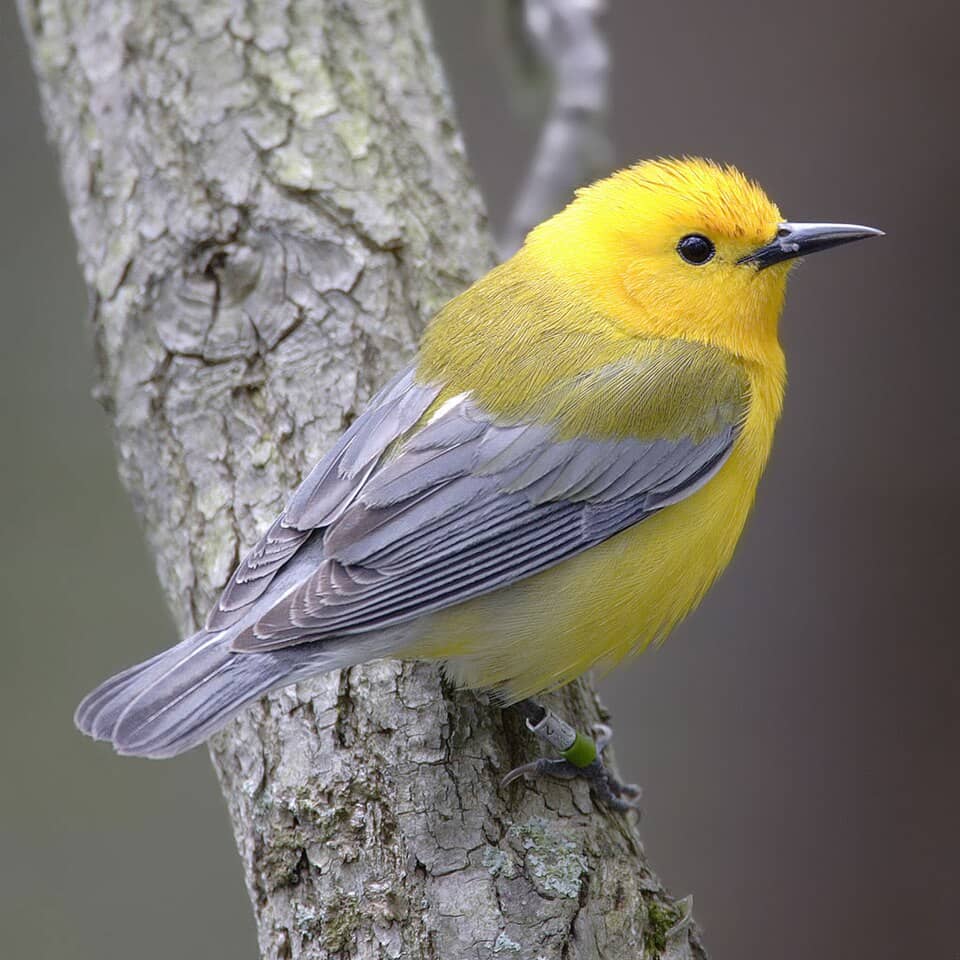
Among them are warblers, small, colorful birds weighing little more than a few coins. Some have traveled from Canada’s boreal forests, while others spent the summer nesting right here in Pennsylvania. Their destinations may be thousands of miles away in Mexico, Central America, the Caribbean, or South America.
They will not be here for long. If you want to see these tiny travelers, now is the time to start looking.
The Great Fall Migration Is Underway
Fall migration is not one single event. It is a long, rolling movement that begins during late summer and continues well into autumn. Different groups of birds migrate at different times.
Shorebirds begin moving south as early as July. Many warblers follow during August and September. Sparrows become more noticeable in October, while some waterfowl continue migrating into November and December.
For warblers, September is the most exciting month of fall migration across Pennsylvania and much of the eastern United States. The strongest variety is often seen from early September through the first days of October, with mid-September generally falling near the heart of the season. The exact timing varies with species, location, and weather.
This means the next few weeks offer one of your best opportunities to see warblers that may visit your neighborhood only briefly each year.
Fall migration can actually bring more birds than spring migration. The adults that traveled north earlier in the year are now joined by millions of young birds making their first journey south. The movement is spread over a longer period, however, and the birds are usually quieter and less conspicuous than they are in spring.
Why Do Warblers Migrate at Night?
Most warblers are nocturnal migrants. They leave shortly after sunset and fly through the darkness, sometimes covering hundreds of miles before dawn.
Nighttime travel offers several advantages. The air is generally cooler and calmer, there are fewer predators, and the birds can use the sun’s setting position, the stars, Earth’s magnetic field, and other natural cues to help them navigate.
According to BirdCast, migration usually begins about 30 to 45 minutes after sunset, with the greatest number of birds in flight two or three hours later.
As dawn approaches, the warblers descend into forests, parks, backyards, and other patches of habitat. There, they spend the day resting and feeding before continuing their journey on another suitable night.
That is why a quiet patch of trees can suddenly seem full of birds one morning—and nearly empty the next.
When Is the Best Time to Look?
he best time to search for fall warblers is during the first few hours after sunrise. Birds that landed overnight are hungry and actively searching for insects.
Weather can make a tremendous difference. Watch for a cold front moving through the region, especially when it brings winds from the north or northwest. These conditions can help push large numbers of southbound migrants into our area.
A rainy or foggy night may also cause migrating birds to stop in greater numbers. If the weather clears around sunrise, the following morning can produce excellent birding.
For your best chance:
Go out early, preferably between sunrise and 10:00 a.m.
Check the morning after a cold front or a night with favorable northerly winds.
Return to a productive location on several mornings. The birds present today may be completely different tomorrow.
Where Should You Look?
You do not necessarily need to travel to a famous birding destination. Migrating warblers can appear almost anywhere that offers food and shelter.
Look for places with a mixture of mature trees, smaller understory plants, shrubs, vines, and forest edges. Parks, stream corridors, wooded trails, cemeteries, nature reserves, and even tree-filled suburban yards can provide valuable stopover habitat.
Pay special attention to:
Forest edges and sunny openings
Insects become more active where the morning sun warms leaves and branches. Warblers often gather in these areas to feed.
Trees near water
Stream valleys, ponds, wetlands, and wooded ravines provide insects, shelter, and water. In southwestern Pennsylvania, the many wooded creeks and hillsides can act as natural migration corridors.
Native shrubs and fruiting plants
Although warblers primarily eat insects, some species supplement their fall diet with berries. Native vegetation also supports the caterpillars, spiders, and other small creatures these birds need to refuel.
Mixed feeding flocks
Listen and watch for chickadees. Migrating warblers often join loose groups containing Black-capped Chickadees, Tufted Titmice, White-breasted Nuthatches, vireos, and kinglets.
If you find an active flock, stop walking and observe it carefully. The chickadees may be the easiest birds to notice, but several warbler species could be moving through the foliage with them.
Look Up, but Not Always to the Treetops
Warblers do not all feed in the same part of the forest.
Some forage high in the canopy, while others prefer the middle branches, tangled shrubs, or vegetation close to the ground. Slowly scan each layer instead of focusing on a single spot.
Movement is often your first clue. Look for a tiny bird hopping quickly between branches, stretching underneath leaves, or briefly hovering to grab an insect. American Redstarts may spread and flash their tails as they move. Common Yellowthroats often stay low in thick vegetation, while Black-throated Green Warblers are more likely to be found higher in the trees.
Patience is important. Warblers rarely remain still, and a bird may give you only a two-second look before disappearing behind the leaves.
Fall Warblers Can Be Tricky
Spring male warblers are famous for their brilliant colors. In fall, identifying them can be more challenging.
Many adults have molted into subtler plumage, and young birds may look different from the familiar pictures in field guides. Yellow, gray, olive, white, and pale green can replace the bold blacks, blues, and oranges seen during spring.
These confusing birds are sometimes called “confusing fall warblers,” but do not let that discourage you. Instead of trying to identify the entire bird at once, look for a few specific clues:
Does it have wing bars?
Is the underside streaked or plain?
Is there a visible eye ring or eyebrow?
What color are the undertail feathers?
Does it constantly flick or spread its tail?
Is it feeding near the ground or high in the canopy?
A photograph, even an imperfect one, can be extremely helpful. The Merlin Bird ID app, a field guide, or Cornell Lab’s warbler identification resources can help you compare field marks afterward.
Warblers to Watch For
Dozens of warbler species occur in Pennsylvania, but here are several you have a good chance of encountering during fall migration.
Magnolia Warbler
This active little warbler often shows a yellow underside with dark streaks, two white wing bars, and a distinctive tail pattern. Even in fall plumage, its broad white tail patches can be useful identification clues. Look for it in the middle and lower levels of trees and shrubs.
Black-throated Green Warbler
Look for an olive-green back, yellow face, dark markings around the throat, and white wing bars. Females and young birds have less black on the throat than spring males. They frequently feed among higher branches.
American Redstart
One of the easiest warblers to recognize by behavior, the American Redstart constantly fans its tail and wings while chasing insects. Adult males are black and orange, while females and young birds are gray or olive with yellow patches.
Black-and-white Warbler
This bird behaves more like a tiny nuthatch than a typical warbler. It creeps along trunks and large branches while searching the bark for insects. Its bold black-and-white stripes make it distinctive in any season.
Cape May Warbler
Cape May Warblers can be especially attractive during fall, although young birds may be much duller than adults. Look for a thin, slightly curved bill, streaking on the chest, and a yellowish rump. They are also more willing than many warblers to eat fruit or drink nectar.
Blackpoll Warbler
Blackpoll Warblers undergo one of the most extraordinary migrations of any small songbird. In fall they appear olive or yellowish, often with faint streaking, pale wing bars, and yellow feet. Many eventually launch on a nonstop flight over the Atlantic toward South America.
Common Yellowthroat
Common Yellowthroats stay close to the ground in weedy fields, wetlands, and dense tangles. Adult males have a black facial mask, while females and young birds are plainer olive-brown with yellow around the throat and undertail.
Yellow-rumped Warbler
These warblers often arrive later than many other species and can remain well into autumn. Look for flashes of yellow on the rump, sides, and crown. Their ability to digest waxy berries allows them to survive farther north and later in the season than most warblers.
Can Warblers Be Seen at Feeders?
Warblers generally do not visit seed feeders. Their migration fuel comes primarily from insects, spiders, caterpillars, and, for some species, berries and nectar.
The best way to attract them is to create habitat rather than simply adding another feeder. Native trees, shrubs, wildflowers, and leaf litter support the insects that migrating birds need.
A shallow birdbath or gently moving water can also attract warblers. The sound of dripping or splashing water may catch the attention of birds passing overhead or feeding nearby.
Avoid using pesticides, and consider leaving part of your yard a little less tidy. Fallen leaves, stems, and dense native plants provide feeding and hiding places for both birds and the insects they depend on.
Give Migrating Birds a Safe Place to Rest
Migration is the most dangerous period of a songbird’s life. Warblers must contend with storms, predators, exhaustion, habitat loss, artificial lights, and collisions with glass.
We can make their journey safer by:
Turning off unnecessary outdoor lights at night.
Closing curtains or blinds in brightly lit rooms.
Treating reflective windows to prevent bird collisions.
Keeping cats indoors.
Avoiding pesticides.
Planting native trees, shrubs, and flowers.
Providing clean, shallow water.
Even a small backyard can become an important refueling stop when it provides food, water, shelter, and safety.
Don’t Wait Too Long
Fall warbler migration is a brief and constantly changing spectacle. Some species have already passed their peak by mid-September. Others are arriving now, and a few will continue moving through October.
Grab your binoculars, visit a wooded trail, or simply spend a quiet morning watching the trees in your backyard. Look for movement among the leaves. Listen for soft chips and high, thin calls. Follow the chickadees, check the sunny edges, and be patient.
You may discover that a five-inch bird has traveled hundreds of miles during the night, and chosen your little corner of Pennsylvania as a place to rest.
But do not wait too long. Fall’s tiny travelers are here today, and tomorrow they may already be on their way south.

 ByBill