Your Fall Feeder Welcome Guide: New Birds, Favorite Foods, and Better Feeders
WildWatch Weekly Your Fall Feeder Welcome Guide: New Birds, Favorite Foods, and Better Feeders Live Cams Donate Store Facebook YouTube New Birds, Favorite Foods, and Better Feeders One morning, your backyard feeder is hosting its usual crowd of chickadees, cardinals, and titmice. Then a little gray bird appears underneath it, flashing white tail feathers as it hops away. A sparrow with a bright white throat emerges from the shrubs. Suddenly, your familiar feeding station has a few unfamiliar...
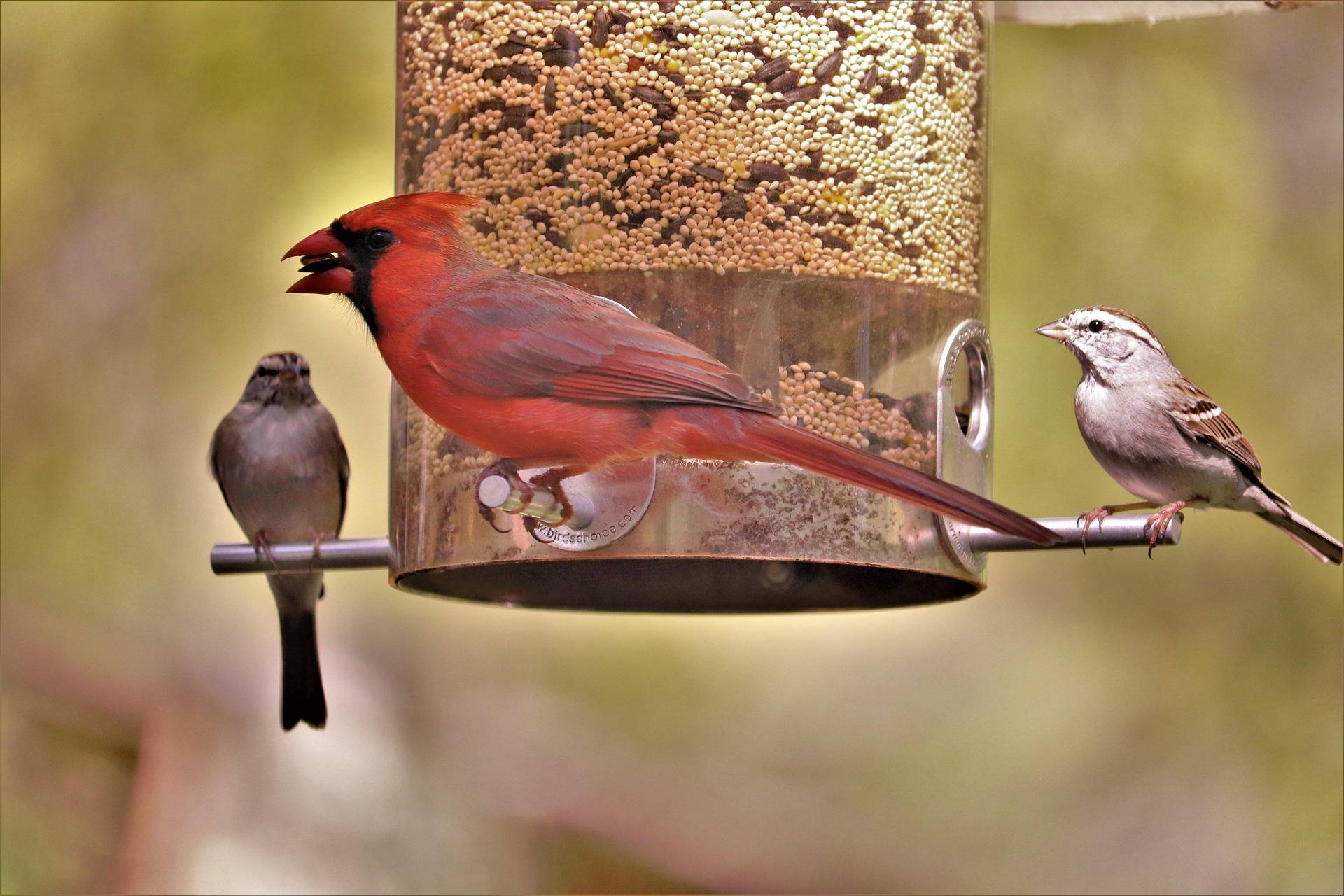
One morning, your backyard feeder is hosting its usual crowd of chickadees, cardinals, and titmice. Then a little gray bird appears underneath it, flashing white tail feathers as it hops away. A sparrow with a bright white throat emerges from the shrubs. Suddenly, your familiar feeding station has a few unfamiliar faces.
Welcome to fall’s changing guest list!
Here in Pennsylvania, autumn brings birds traveling south, birds settling in for winter, and year-round residents making the rounds alongside their seasonal neighbors. With a few thoughtful changes to your food, feeders, and backyard habitat, you can give these visitors a warm welcome—and give yourself a wonderful reason to keep looking out the window.
Their “Sunny South” Might Be Your Backyard
When we think about migration, it’s easy to picture birds heading for tropical forests or sunny beaches. But “south for the winter” means different things to different birds. For a bird that spent the breeding season in Canada or farther north, Pennsylvania can be a perfectly suitable winter destination.
That makes fall especially exciting at backyard feeders. Some visitors may stop briefly before continuing their journeys, while others may become familiar faces through the colder months. Dark-eyed Juncos are a classic example: these little “snowbirds” appear in many eastern backyards as winter approaches, although some also live year-round in the Appalachian region.
Watch for changes below the feeder as carefully as you watch the feeder itself. Some of the season’s most interesting arrivals prefer their meals served at ground level.
Meet the Little Gray Birds Wearing Winter Uniforms
Dark-eyed Juncos look dressed for the season. The slate-colored birds commonly seen in our area have gray or brownish upperparts, pale bellies, and small pink bills. When they take flight, their white outer tail feathers flash like tiny signal flags.
You’ll often find them hopping beneath feeders or searching along the edges of garden beds. While the chickadees zip in and out overhead, the juncos work the lower level of the backyard buffet. Their presence can make even a chilly, overcast morning feel a little more lively.
To accommodate them, offer white proso millet in a low tray or platform feeder with good drainage. Start with a small amount rather than a large pile, and keep the feeding surface clean. Millet is a favorite of juncos and several other native ground-feeding birds.
Those “Little Brown Birds” Deserve a Second Look
A quick glance might dismiss every sparrow beneath the feeder as the same bird. Slow down, though, and you may discover a surprisingly interesting cast of characters.
White-throated Sparrows are a wonderful place to start. Look for a white throat patch, a striped head, and yellow spots between the eyes and bill. Some have crisp black-and-white head stripes; others wear softer brown-and-tan stripes. They often forage close to cover, slipping out from shrubs to search for food before retreating into the branches.
These seasonal visitors readily eat millet and sunflower seed. A low platform feeder near suitable cover can make your yard more welcoming, especially if your current setup consists entirely of hanging feeders. On a quiet day, you may even hear their clear, whistled song.
As fall moves toward winter, watch for American Tree Sparrows, too. A rusty cap, a two-toned bill, and a dark spot on an otherwise relatively plain breast are useful clues. Despite their name, these birds do much of their feeding on the ground. Apparently, nobody asked them to approve the name!
Leave Room for a Surprise Visitor
Not every fall brings exactly the same birds to every backyard. That uncertainty is part of the fun. A feeder you have watched for years can still produce a visitor that makes you stop mid-sip of coffee.
One bird worth watching for is the Red-breasted Nuthatch. This tiny bundle of energy has a bold face pattern, rusty underparts, and a nasal call that sounds a little like a miniature horn. Look for it moving along trunks and branches, sometimes in the company of chickadees.
Its tree-climbing antics can be as entertaining as its appearance. A bird moving down a trunk headfirst certainly knows how to make an entrance! Red-breasted Nuthatches also visit feeders, so take a closer look when a nuthatch seems smaller or more colorful than expected.
Refresh the Menu: Start with Sunflower
If your fall feeding station needs a dependable foundation, black-oil sunflower seed is an excellent starting point. It attracts a broad variety of seed-eating birds, and its relatively thin shell makes it accessible to many backyard visitors.
Sunflower hearts or chips provide another option, particularly where discarded shells create a cleanup problem. Because the shell has already been removed, birds can get straight to eating. Keep these foods dry and offer quantities that move through the feeder steadily.
For the birds feeding below, add white proso millet to the menu. Pay attention to the word white: seed mixes vary considerably, and a bag covered with colorful bird pictures does not necessarily contain the best combination for your visitors. Read the ingredients and choose foods the birds in your yard actually eat.
Think of your feeding station as a menu you can adjust. If one food disappears quickly while another accumulates untouched, your customers are giving you useful feedback.
Better Feeders Mean More Ways to Dine
Different birds have different dining styles. Some are comfortable clinging to small perches, while others prefer a broad landing area where they can stand and look around. Offering a little variety in feeder design can help accommodate that difference.
A tube feeder provides feeding ports for smaller birds. A hopper feeder or roomy platform offers another option for birds that appreciate more standing space. A low tray adds an accessible dining area for ground-feeding visitors. You can also offer bird-feeding suet in a suitable cage for woodpeckers and other interested birds.
You do not need to transform your yard into a feeder showroom. If you already have a hanging seed feeder, one well-chosen addition may be enough. Consider what is missing: a low feeding surface, a suet holder, or simply a feeder that keeps the food drier.
When choosing a new feeder, look beyond its appearance. Can you take it apart easily? Can you reach the corners with a brush? Does rainwater drain away? Those practical details become especially valuable during a wet Pennsylvania fall.
Keep the Fall Buffet Fresh
Autumn weather can turn a full feeder into a soggy mess surprisingly quickly. Rain, damp leaves, and accumulated seed hulls create conditions that call for regular attention.
Check the food frequently and discard anything moldy or spoiled. Avoid repeatedly pouring fresh seed over damp leftovers. Clean the ground beneath your feeding station, too, removing old hulls, droppings, and uneaten food.
Cornell recommends cleaning seed feeders about every two weeks, with more frequent cleaning during wet weather or heavy use. Take feeders apart, scrub away debris, disinfect appropriately, rinse thoroughly, and let everything dry before refilling. If you see sick birds, temporarily take down the feeders and clean them thoroughly.
For open trays, put out only what the birds can finish in a day. Smaller servings keep food fresher and help prevent yesterday’s leftovers from becoming tomorrow’s problem.
Remember the Guests Who Skip the Feeder
A feeder is only one part of a welcoming backyard. Some birds will spend more time searching your plants and leaf litter than inspecting anything you have purchased in a bag.
Leave a portion of your fallen leaves beneath shrubs or along garden edges. Keep some standing seed heads, and resist the urge to make every corner of the yard perfectly tidy. Native plants, natural foods, and sheltered places to forage help broaden the welcome beyond the feeder crowd.
Fresh water is another useful addition. Keep a shallow birdbath clean, refresh it regularly, and plan ahead for freezing weather if you want to maintain an open water source. A visiting bird may ignore your seed selection and still stop for a drink.
There is one larger visitor to keep off the guest list: the black bear. Birdseed and suet can attract bears, which remain active during fall. Bring feeders inside overnight, and remove them completely if bears begin visiting or repeatedly return. A natural, bird-friendly landscape can continue welcoming birds when feeders need a break.
Give the New Arrivals Time to Find You
After refreshing your feeders, you may expect an immediate crowd. Sometimes the birds have other plans.
Fall offers plenty of natural seeds and berries, and feeder activity may remain modest while those foods are abundant. A quiet afternoon does not necessarily mean you bought the wrong feeder or chose the wrong seed. Your backyard birds may simply be enjoying another part of the seasonal menu.
Take a few minutes each morning to watch who appears, where they feed, and what they choose. Keep a simple list of first sightings. Before long, “a few birds outside” becomes the first junco of the season, a White-throated Sparrow beneath the shrubs, or a surprise visitor you almost overlooked.
That is the pleasure of a fall feeding station: the guest list keeps changing. Put out a thoughtful welcome, keep it fresh, and enjoy discovering who comes to breakfast.

 ByBill